Source handmade pink rose flower mug for gifts, daily use, and promotion
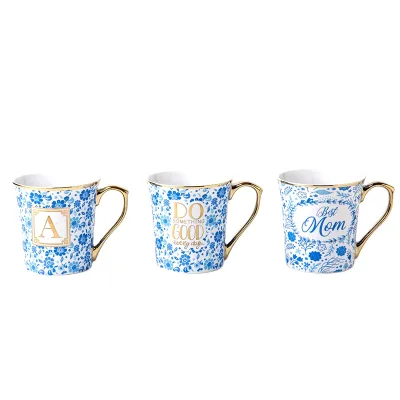
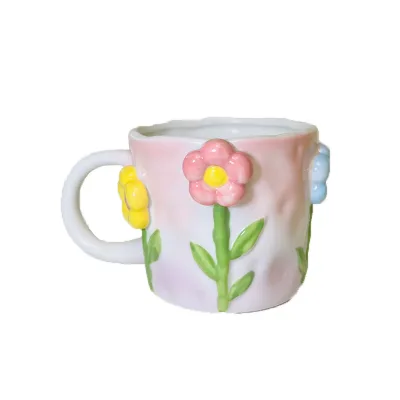
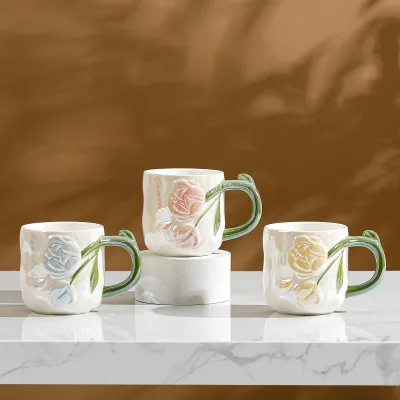
Explore 30 listings for the handmade pink rose flower mug, featuring ceramic and pottery options with capacities from 12 oz to 300ml. Buyers can compare customization, packaging, and lead times from suppliers in Fujian and Hunan, China.
Key considerations
Products List
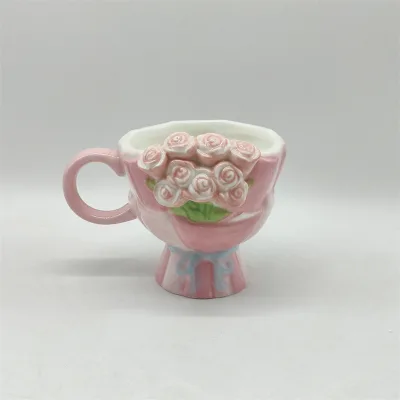
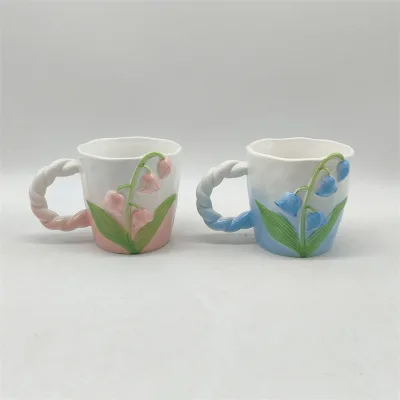


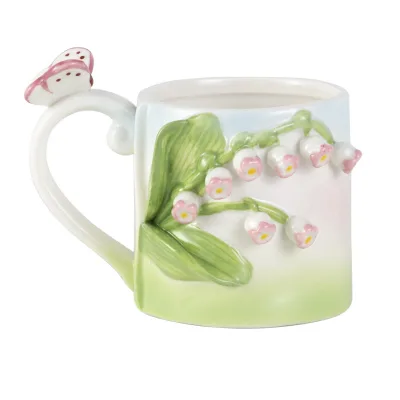
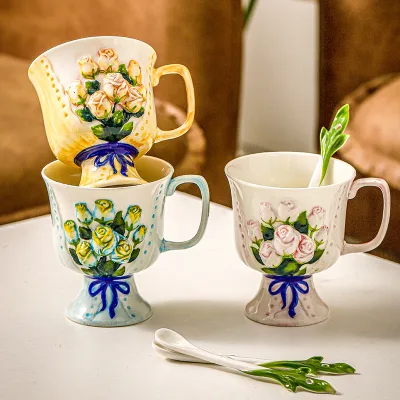


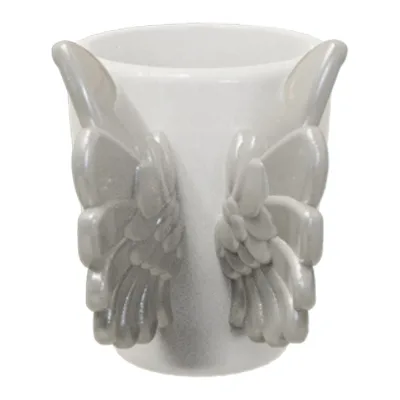


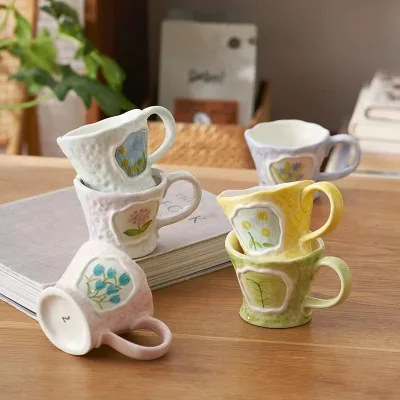
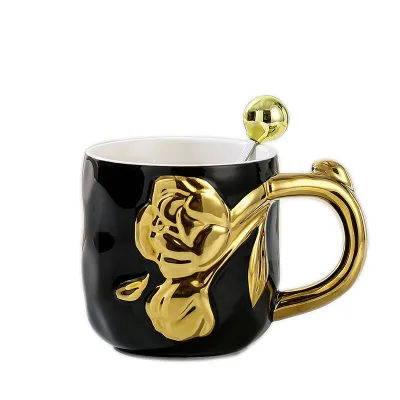
Comprehensive Sourcing Guide
Strategic Sourcing Guide for Handmade Pink Rose Flower Mugs
Understanding Product Specifications and Material Composition
When sourcing a handmade pink rose flower mug, the primary focus must be on the material integrity and the specific aesthetic execution of the floral design. Based on the available market data, the core material for these items is consistently identified as ceramic or pottery. This distinction is critical because "pottery" often implies a specific firing temperature and clay body composition that differs slightly from industrial-grade porcelain, though both fall under the broader ceramic category. The observed specifications indicate that the capacity for these mugs typically ranges between 201-300ml, with specific models noted to hold 12 oz (approximately 355ml) or fall within a 240ml-400ml range. Buyers must verify the exact volume capacity against their intended use case, as the "handmade" nature of the product often leads to slight variances in wall thickness and overall volume.
The aesthetic requirement of a "pink rose flower" design introduces specific technical constraints regarding the printing and glazing process. The product attributes list "Color Changing" and "Printed" as key features, suggesting that the pink rose motif may be applied via sublimation, decal transfer, or hand-painting techniques. The "Pink" color attribute is explicitly noted, but the "Multicolor" designation in other listings suggests that the final product may include gradients or complementary colors beyond just the rose itself. The shape is described as "Customized," which allows for unique silhouettes, yet the standard form factor remains a "Coffee Mug" with a handle. The single package size is often listed as 1x1x1 cm in placeholder data, which is physically impossible for a mug; therefore, buyers must treat such dimensions as non-binding and request actual dimensional data from the supplier. The gross weight is observed at 1.500 kg per unit, which is unusually high for a single ceramic mug and likely represents a bulk packaging weight or a data entry error; verification of the net weight per piece is essential for accurate freight cost calculation.
Compliance, Certification, and Food Safety Standards
Food safety is the paramount compliance concern when sourcing ceramic drinkware intended for daily use or promotional purposes. The provided facts explicitly state that the products are "food safe" and "Eco-Friendly." However, in the context of international B2B procurement, "food safe" is a claim that requires substantiation through specific regulatory compliance. Ceramic mugs, particularly those with colored glazes and printed designs, must be tested for the leaching of heavy metals such as lead and cadmium, which can migrate from the glaze into acidic beverages. While the source data mentions "Health Care" as an application, this does not replace the need for rigorous chemical testing.
Buyers should verify that the supplier can provide test reports from accredited laboratories. Common standards to look for include FDA (Food and Drug Administration) regulations for the US market, LFGB (Lebensmittel- und Futtermittelgesetzbuch) for the European Union, and specific standards from the country of origin, such as GB standards in China. The "Liling, Hunan, China" and "Fujian, China" origins are significant because Liling is a renowned hub for ceramic production, yet the regulatory rigor can vary between factories. The "OEM" brand attribute indicates that the supplier is likely producing for a private label, meaning the compliance documentation must be transferable to the buyer's brand.
Furthermore, the "Eco-Friendly" claim requires scrutiny. This could refer to the manufacturing process, the materials used, or the packaging. Buyers should ask for details on whether the glazes are lead-free and cadmium-free, and if the production process adheres to environmental management standards like ISO 14001. The "Customized" standard noted in the specifications implies that the product may not adhere to a rigid international standard unless explicitly requested. Therefore, the procurement strategy must include a clause in the purchase agreement that mandates the product meets specific food safety standards before shipment, rather than relying solely on the supplier's general "food safe" assertion.
Cost Drivers and Pricing Structure Analysis
The pricing landscape for handmade pink rose flower mugs is influenced by several dynamic factors, with the observed USD price range of 0.2 to 8.0 indicating a vast disparity based on quality, customization, and order volume. The lower end of this spectrum (around $0.20) likely corresponds to mass-produced, simple printed mugs with high Minimum Order Quantities (MOQ). In contrast, the higher end (up to $8.00) suggests premium hand-painted designs, complex color-changing technologies, or small-batch "handmade" production where labor costs are significantly higher.
MOQ is a critical cost driver in this category. The data reveals a wide range, from 2 pieces to 2000 pieces, with specific listings citing MOQs of 1000 pcs and 3000 pcs. For a buyer seeking a "handmade" aesthetic, an MOQ of 3000 pieces may be prohibitive, while an MOQ of 2 pieces might not yield a viable unit price. The "Custom Logo" and "Customized Size" attributes are significant value-adds that will increase the unit cost. These customizations require setup fees for molds, screens, or digital printing plates, which are amortized over the order quantity.
Production time is another financial consideration. The observed production lead time is 15-20 days, with a sample time of 3-5 days. Delays in the supply chain, particularly from the Liling or Fujian regions, can impact the total landed cost if expedited shipping is required. The "Sticker" and "Carton" packing options also affect costs; while stickers are low-cost, cartons provide better protection for fragile ceramics but add to the volume and weight, increasing freight expenses. Buyers must calculate the total cost of ownership, including the unit price, tooling costs for customization, packaging, and shipping, rather than focusing solely on the per-unit FOB price.
Typical Applications and Usage Scenarios
The versatility of the pink rose flower mug allows for a broad spectrum of applications, ranging from personal daily use to corporate gifting. The "Usage" attributes listed include "Decoration," "Promotion," "Daily Use," and "Health Care." This diversity means the product can serve multiple market segments simultaneously.
For the "Promotion" and "Advertising Coffee Image Photo" applications, the mug acts as a tangible brand touchpoint. The "Custom Logo" feature is particularly valuable here, allowing companies to brand the mug with their corporate identity alongside the pink rose design. The "Presents" and "Decoration" attributes suggest a strong potential in the gift market, where the aesthetic appeal of the rose flower is the primary selling point. The "Simple" and "Brief" style attributes indicate that these mugs are designed to be unobtrusive yet elegant, suitable for office environments or home settings.
The "Health Care" application is an interesting angle, potentially linking to the "Eco-Friendly" and "Sealed" features. While the "Sealed" attribute is somewhat ambiguous for a standard mug, it may refer to a specific lid or travel mug variant included in the product line. If the mug is marketed for health-conscious consumers, the "Color Changing" feature could be leveraged to indicate water temperature, ensuring the beverage is safe to drink. The "Adult" age specification confirms that these are not toys but functional drinkware intended for mature consumers. Buyers should align their marketing strategy with these usage scenarios to maximize the product's appeal in their target market.
Supplier Evaluation and Quality Control Protocols
Evaluating a supplier for handmade ceramic mugs requires a rigorous approach to quality control, given the fragile nature of the product and the complexity of the decorative processes. The "Handmade" aspect implies a level of human intervention that can lead to inconsistencies. Therefore, the quality control plan must address both structural integrity and aesthetic fidelity.
Buyers should verify the supplier's production capabilities by requesting a detailed quality assurance (QA) protocol. This should include checks for surface defects such as cracks, chips, and glaze imperfections. The "Color Changing" and "Printed" features require specific testing to ensure the design does not fade or peel after repeated washing. The "Single gross weight" of 1.500 kg mentioned in the data is a red flag that requires immediate clarification; a standard ceramic mug should weigh significantly less. This discrepancy suggests that the weight figure might include bulk packaging or is a data error, and buyers must insist on accurate net weight specifications to avoid shipping cost miscalculations.
The "Place of Origin" is listed as Fujian, China, and Liling, Hunan, China. Both are major ceramic hubs, but the quality standards can vary. Buyers should conduct factory audits or request third-party inspection reports to verify the working conditions and quality control measures. The "Sample Time" of 3-5 days is a positive indicator of responsiveness, but the sample itself must be scrutinized for the "Pink" color accuracy and the "Rose" design detail. A comparison table of potential suppliers based on these criteria can help in the decision-making process.
| Evaluation Criterion | Key Verification Point | Risk Mitigation Strategy |
|---|---|---|
| Material Integrity | Ceramic/Pottery composition and glaze safety | Request FDA/LFGB test reports for heavy metals |
| Aesthetic Consistency | Color accuracy of "Pink Rose" and print durability | Inspect pre-production samples for color matching |
| Packaging Efficiency | Carton vs. Sticker packing and weight accuracy | Verify net weight and packaging drop-test results |
| Production Capacity | MOQ flexibility and lead time adherence | Negotiate tiered pricing based on order volume |
| Customization Capability | Logo placement and design customization | Review digital proofs before mass production |
Long-Term Procurement and Relationship Management
Establishing a long-term procurement relationship for handmade pink rose flower mugs requires a strategic approach to inventory management and supplier collaboration. The "Customized" nature of the product means that once a design is finalized, it can become a unique asset for the buyer. However, this also creates a dependency on the specific supplier's ability to replicate the design consistently over time.
Buyers should consider the "Production Time" of 15-20 days when planning their inventory cycles. For seasonal products, such as those marketed for Valentine's Day or Mother's Day, the lead time must be factored into the launch schedule to avoid stockouts. The "MOQ" of 1000 or 3000 pieces suggests that buyers need to commit to significant volumes, which ties up capital. To mitigate this risk, buyers can negotiate a framework agreement that allows for smaller, more frequent orders while maintaining the unit price advantage of bulk purchasing.
The "OEM" status of the supplier offers flexibility for branding, but buyers must ensure that the intellectual property rights for the "Pink Rose" design are clearly defined. If the design is a proprietary creation, the contract should specify that the supplier cannot sell the same design to competitors. Additionally, the "Eco-Friendly" claim should be a long-term differentiator. As global regulations on sustainability tighten, suppliers who can demonstrate a commitment to eco-friendly materials and processes will be better positioned to support the buyer's long-term brand values.
In conclusion, sourcing handmade pink rose flower mugs involves a delicate balance between aesthetic appeal, functional safety, and logistical efficiency. By carefully analyzing the material specifications, verifying compliance standards, understanding cost drivers, and implementing robust quality control measures, buyers can secure a high-quality product that meets their specific market needs. The key to success lies in clear communication with the supplier, rigorous verification of all claims, and a strategic approach to inventory and relationship management.
FAQs
What materials are used for handmade pink rose flower mugs?
These mugs are made from ceramic or pottery materials. The product facts confirm the use of ceramic and pottery as the primary raw materials for these drinkware items.
Can I get a custom logo on these ceramic mugs?
Yes, customization is available for custom logos on these mugs. The product attributes explicitly state that custom logos are supported for promotional and daily use purposes.
What is the typical capacity range for these pink mugs?
The capacity typically ranges from 201 to 300 milliliters or 12 ounces. Some specifications also list a broader range of 240 to 400 milliliters for similar ceramic mug models.
How long does production take for custom orders?
Production time generally takes 15 to 20 days for custom orders. Sample preparation is faster, usually requiring only 3 to 5 days before mass production begins.
Which suppliers offer food-safe certified ceramic mugs?
Suppliers in Fujian and Liling, Hunan, China offer food-safe ceramic mugs. The product facts confirm the items are food safe and eco-friendly, though specific test reports should be verified.
What is the minimum order quantity for these mugs?
Minimum order quantities vary between 1000 and 3000 pieces depending on the supplier. Some listings show a range from 2 to 2000 pieces, but standard custom orders often require higher volumes.